Here’s a short blog you can use:
Difference Between Sea and Air Cargo
When it comes to international shipping, businesses often choose between sea cargo and air cargo. Both methods have unique advantages and are suitable for different shipping needs.
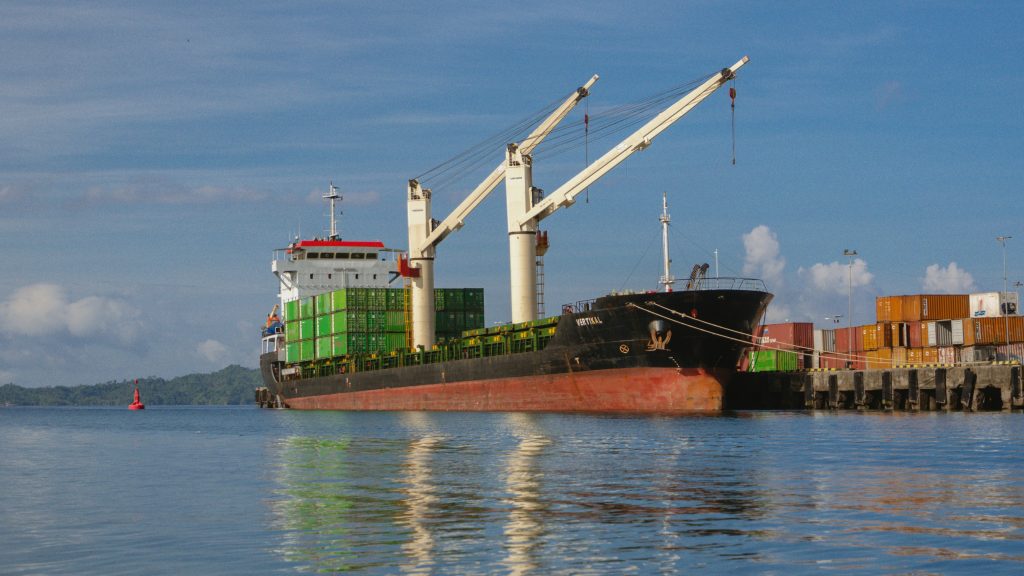
Sea Cargo
Sea cargo involves transporting goods by ships across oceans and waterways. It is the most cost-effective option for large, heavy, or bulk shipments. Businesses that import machinery, raw materials, vehicles, and large quantities of products often prefer sea freight.
Advantages of Sea Cargo:
- Lower shipping costs for large volumes.
- Suitable for oversized and heavy goods.
- Environmentally friendlier compared to air transport.
- Ideal for non-urgent shipments.
Disadvantages:
- Longer transit times.
- Potential delays due to weather or port congestion.
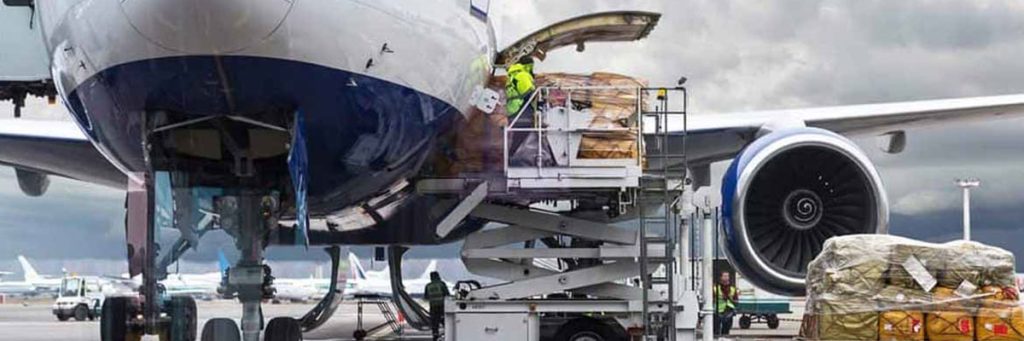
Air Cargo
Air cargo refers to transporting goods by aircraft. It is the fastest shipping method and is commonly used for urgent, high-value, or perishable items.
Advantages of Air Cargo:
- Fast delivery across international destinations.
- Greater security and reduced risk of damage.
- Ideal for time-sensitive shipments such as medical supplies, electronics, and fresh products.
Disadvantages:
- Higher transportation costs.
- Weight and size restrictions.
- Less economical for bulk shipments.
Which Option Should You Choose?
The choice between sea and air cargo depends on your budget, shipment size, and delivery timeline. If cost savings are your priority and delivery time is flexible, sea cargo is often the better option. However, if speed and reliability are critical, air cargo provides the quickest solution.
Understanding the differences between sea and air cargo helps businesses make informed logistics decisions that balance cost, efficiency, and customer satisfaction.
This version is suitable for a company website, logistics blog, or freight forwarding service page.